Learning
Rural Learning
Community-governed schools, a paid teaching fellowship, and learning materials in the languages children actually think in.
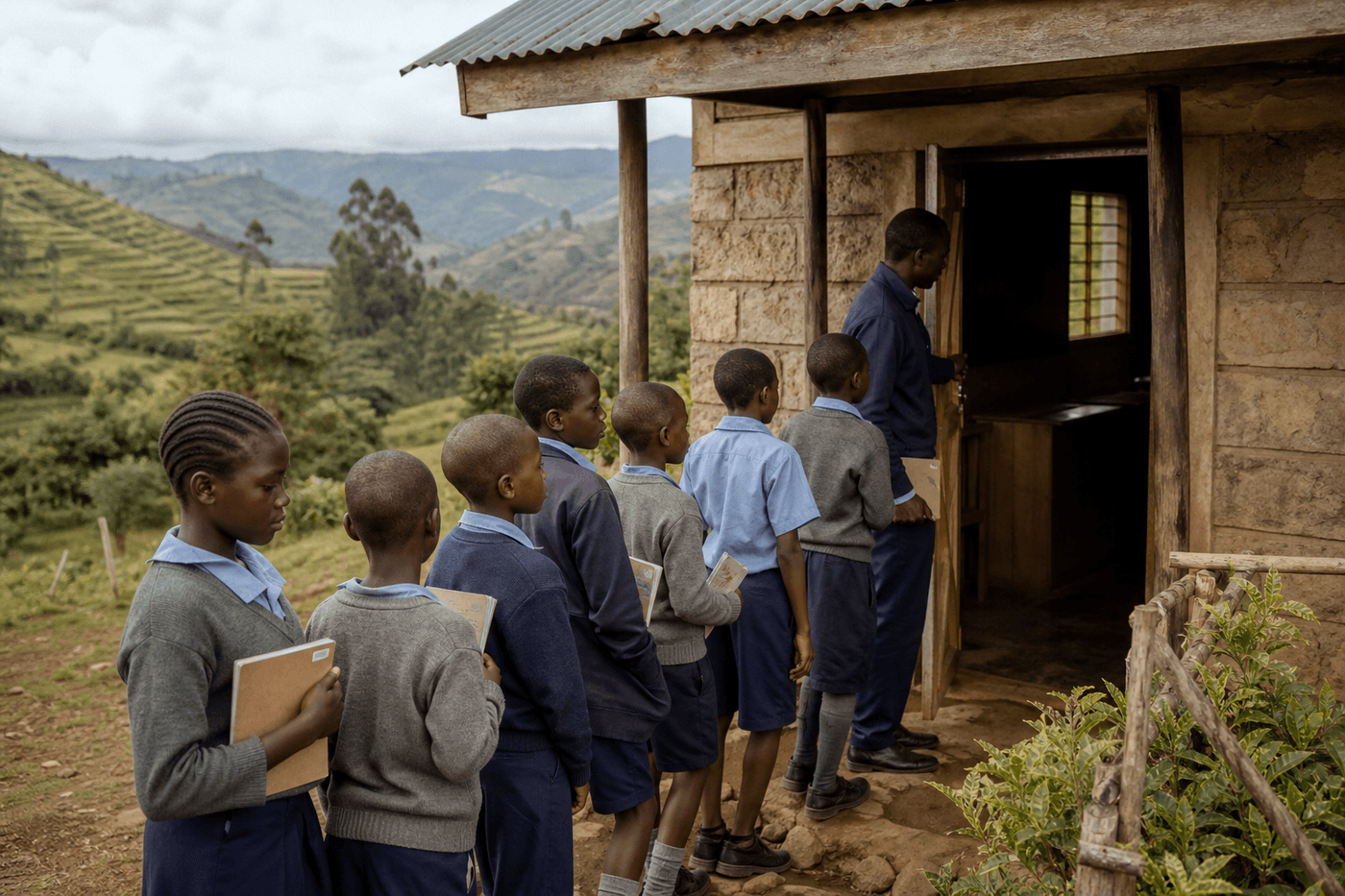
61,400 children enrolled at partner schools
Fieldstone Collective
Working in six regions since 2009
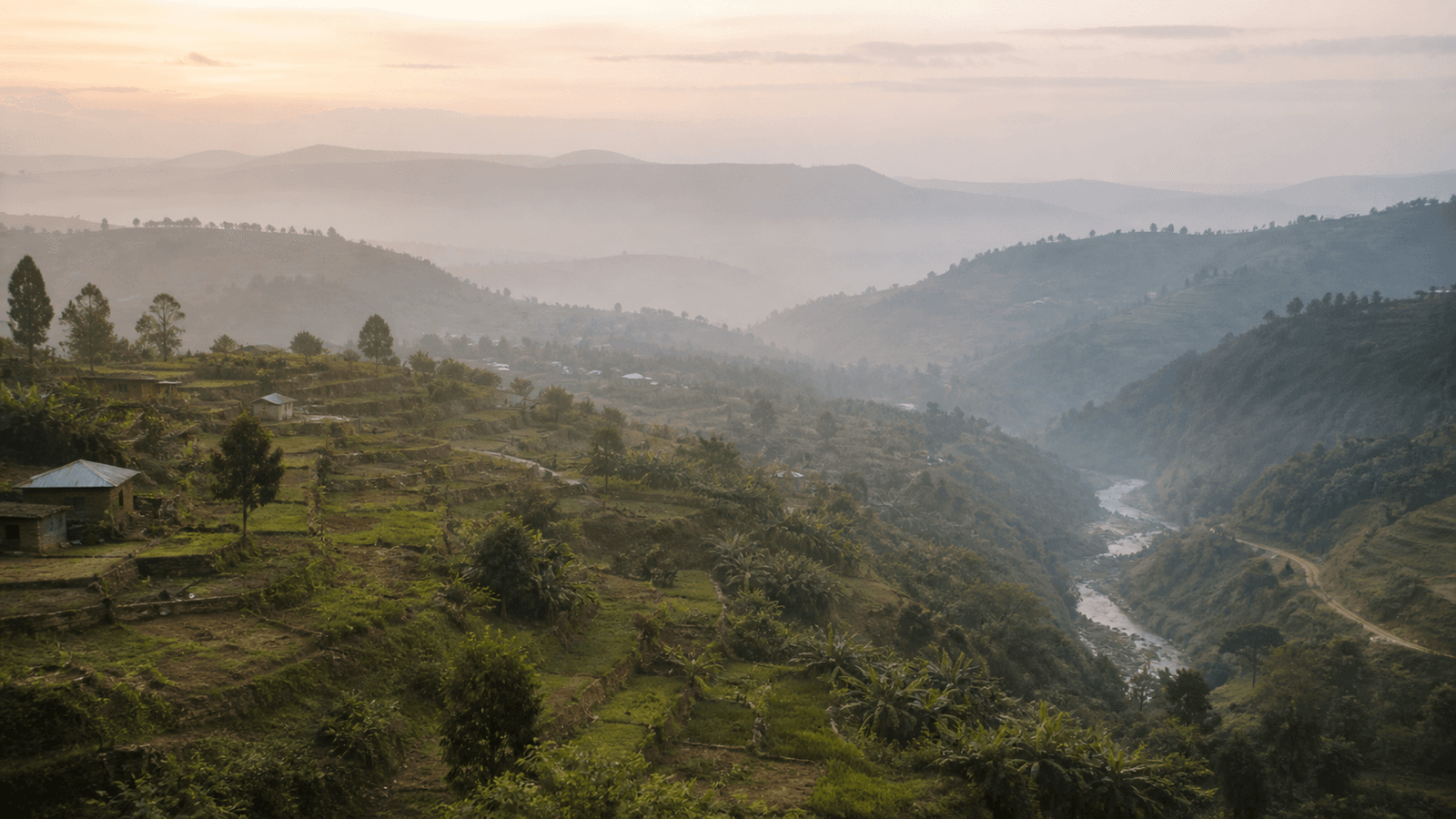
Fieldstone Collective works alongside rural communities to expand what is possible where they already live — through local education, sustainable livelihoods, and the essential infrastructure that makes both durable.
Programmes
Fieldstone would rather do three things properly for ten years than nine things for a funding cycle. Each programme is deliberately narrow, and each publishes what it will not do.
Learning
Community-governed schools, a paid teaching fellowship, and learning materials in the languages children actually think in.
61,400 children enrolled at partner schools
Livelihoods
Savings groups, cooperative processing, and market access built on the financial institutions rural households have already invented.
318 savings groups in partnership
Infrastructure
Water systems, footbridges, and small solar grids, designed around the maintenance a community has committed to before construction starts.
47 systems handed to local committees
How we work
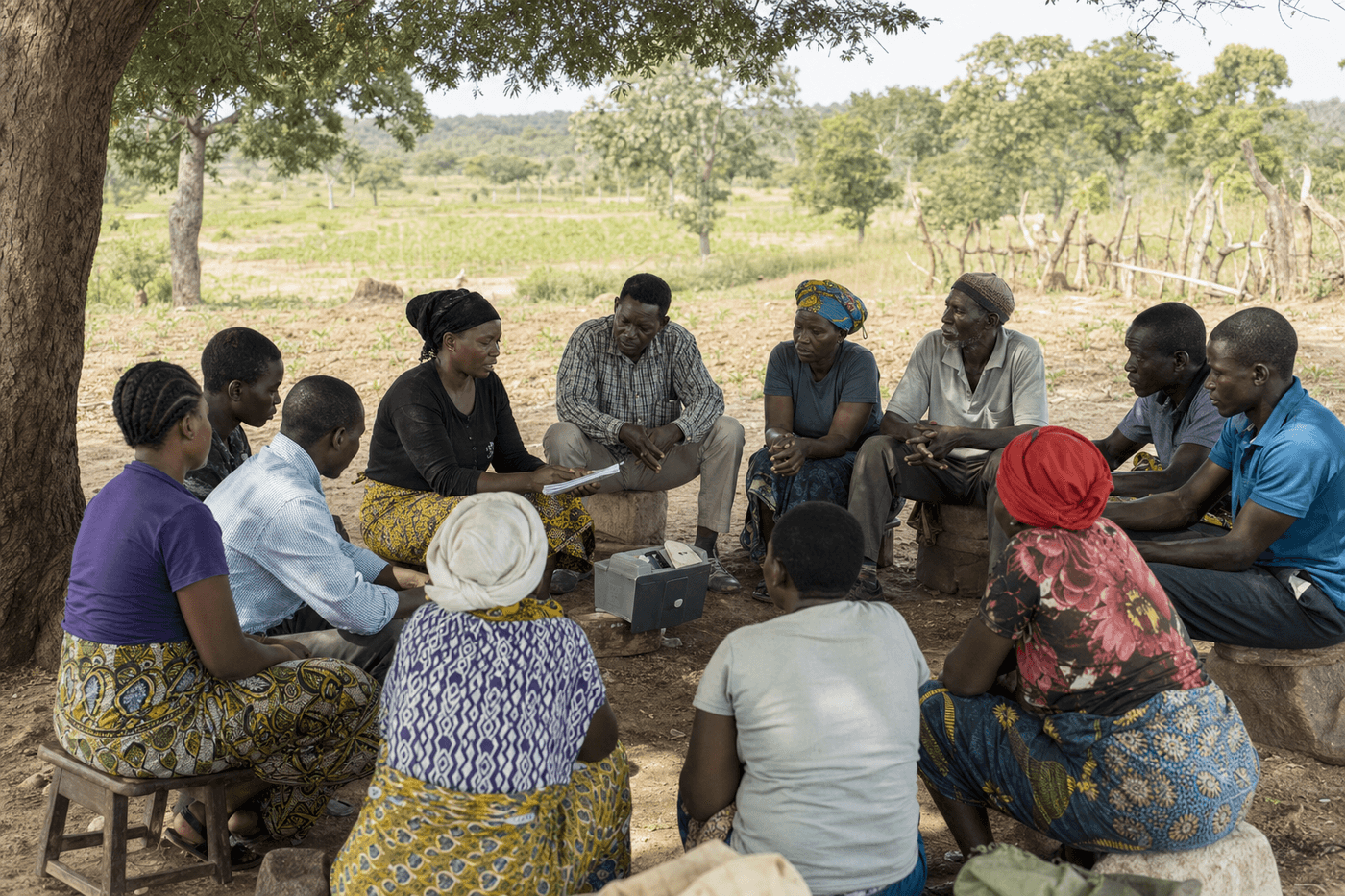
Every Fieldstone programme begins with a community assembly that sets its own priorities, and none begins without one. We have declined work in eleven districts because the priorities named there were not ones we could serve honestly.
Our partnership agreements run for a minimum of ten years. Grant cycles are shorter than the problems they fund, and a school built on a three-year budget becomes a three-year school.
We register nothing in our own name. Schools, water committees, and cooperatives are held by the communities that run them, from the first day rather than at handover.
Every annual review names the programmes that underperformed and what we changed as a result. An accountability report that only contains good news is a marketing document.
2025 in figures
Every figure Fieldstone publishes carries the question it answers and the population it was calculated over. The ones that fall short are printed in the same place as the ones that do not.
Field Notes
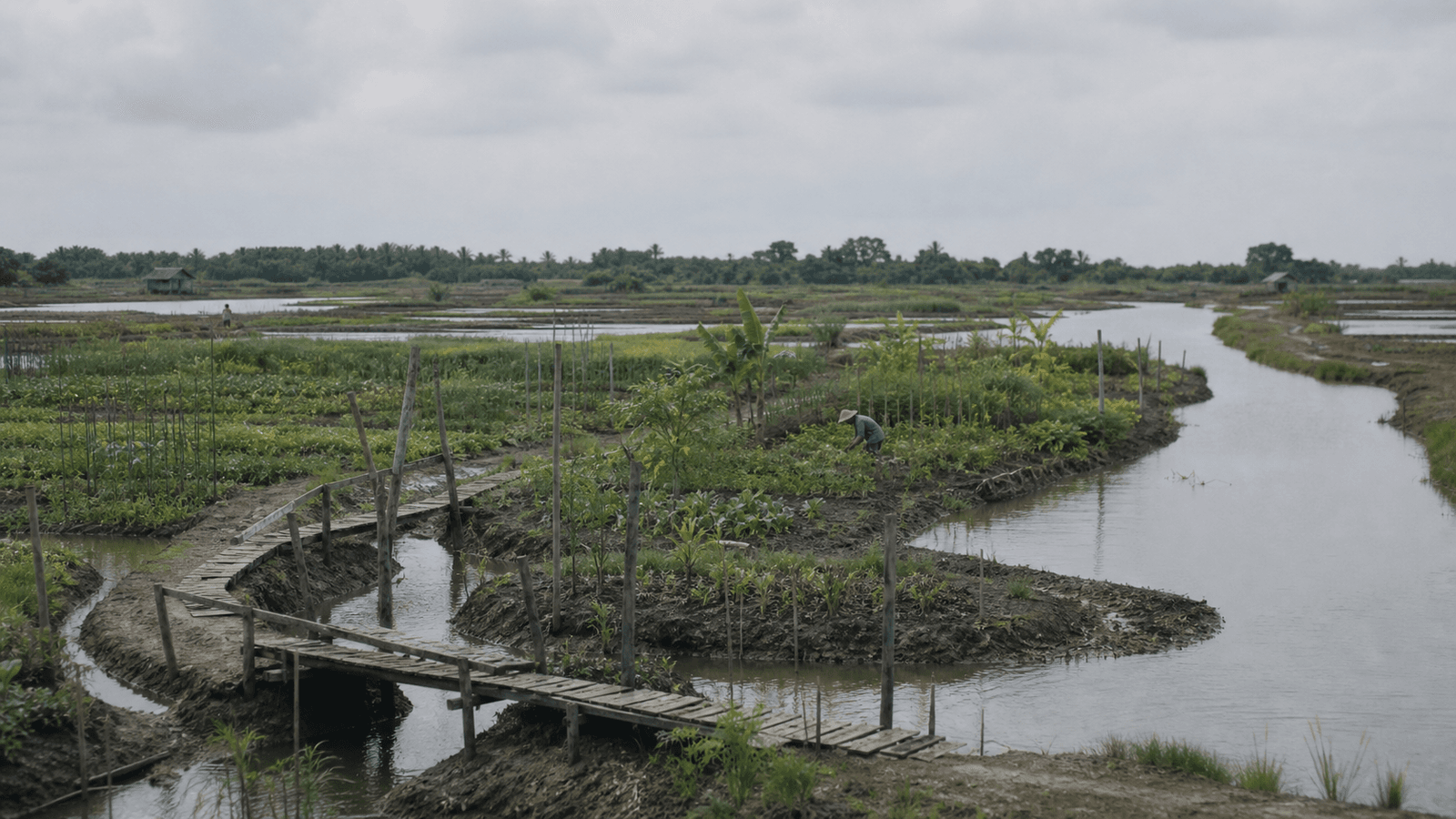
Six regions across four continents, each with its own partner institution, its own history with us, and its own record of what has and has not held.
Stories
Rural Learning
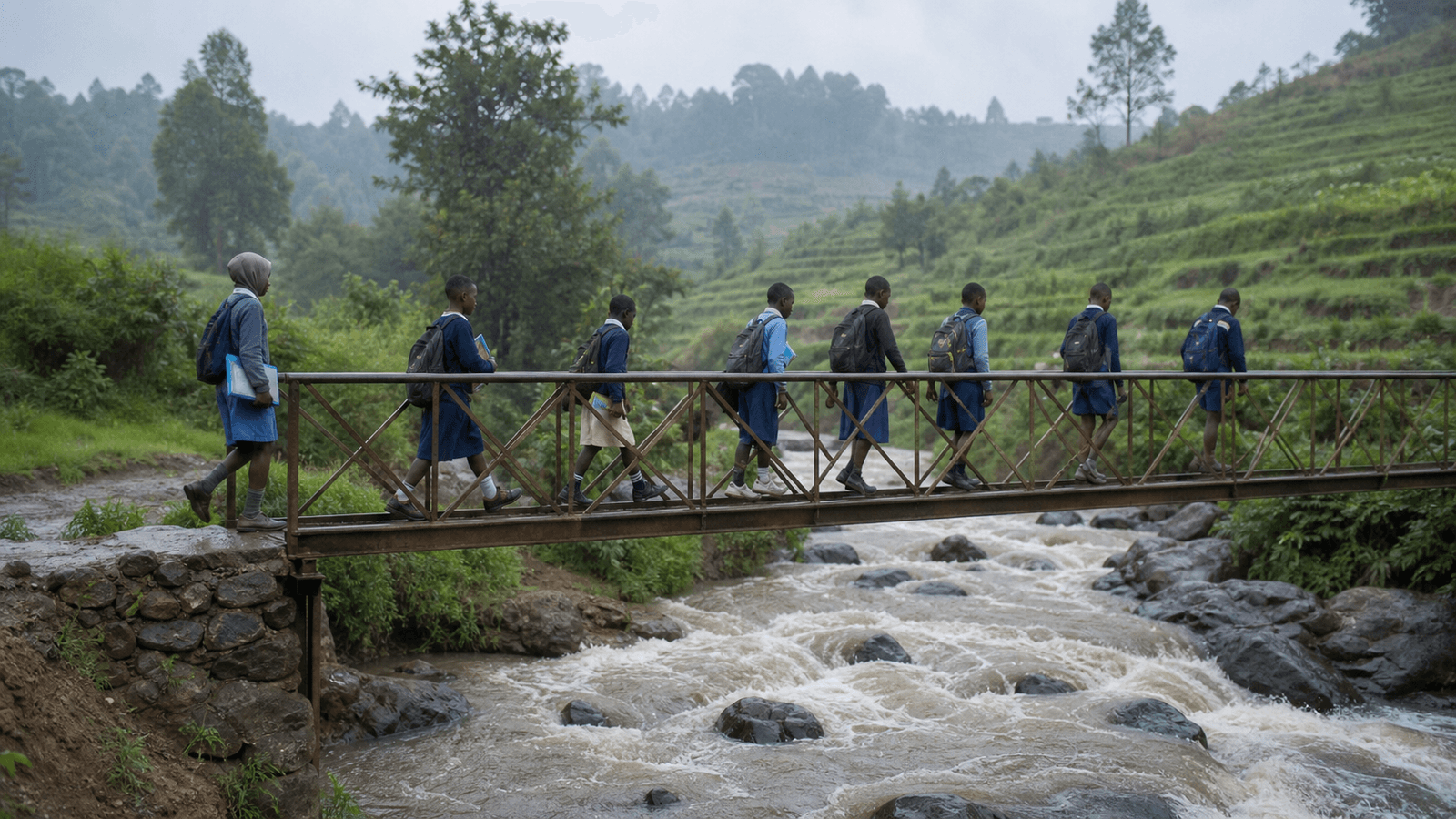
For six years, attendance at Kirambo school collapsed every second term. The explanation was eleven weeks of river, and nobody had thought to write it down.
Nadia Belhaj9 min read
Sustainable Livelihoods
Wanjiru Mbatia — Chansolo Basin, Zambia
Community Infrastructure
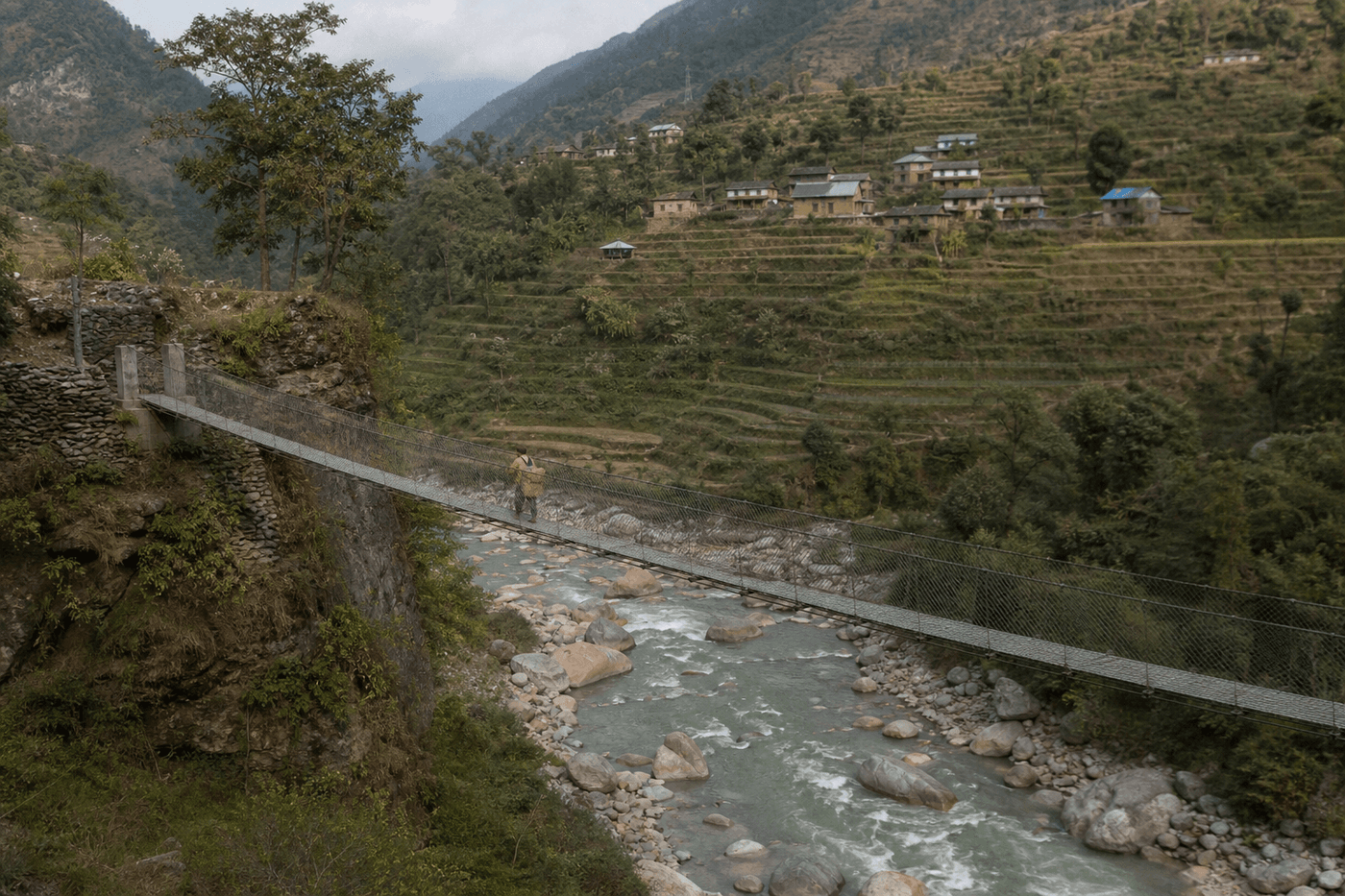
Nadia Belhaj — Sanjala Valley, Nepal
Rural Learning
Tomás Renard — Vega Alta Ridge, Guatemala
Take part
Regular giving is the only kind of income a decade-long partnership can be planned around. There are other ways in, and all of them are honest about what they ask.
Regular giving is what makes a ten-year commitment to a community possible, and it is the only kind of income we can plan a decade around.
Read about givingFour roles, all of them remote and skilled. We do not place volunteers in partner communities, and we explain why.
See open rolesFor community institutions considering a ten-year agreement, and for funders willing to be told what did not work.
How partnership works