Fieldstone Collective
About Fieldstone
An organisation that arrives slowly and stays.
Fieldstone Collective works alongside rural communities to expand what is possible where they already live — through local education, sustainable livelihoods, and the essential infrastructure that makes both durable.
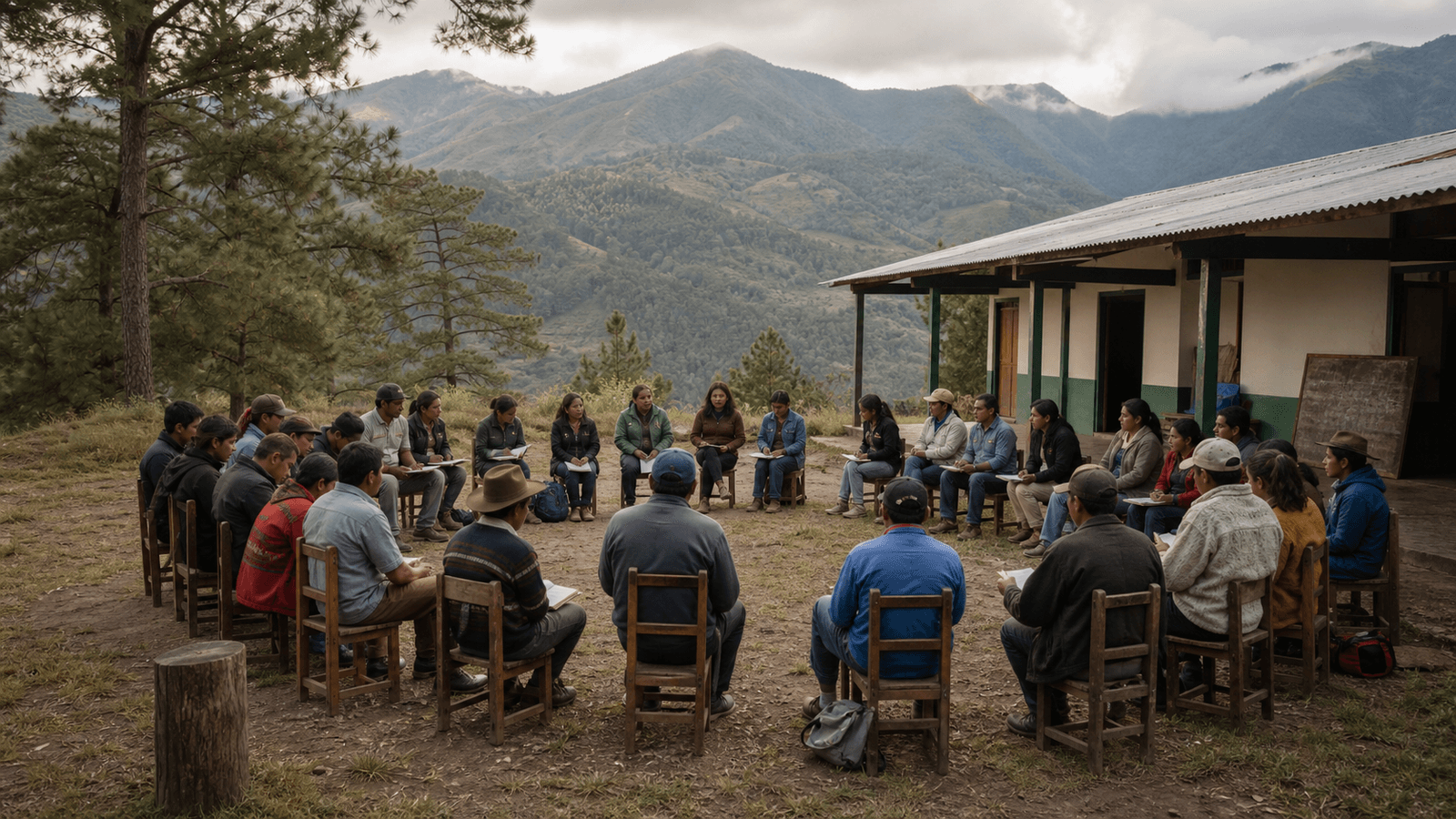
Origin
Two years of counting before a single plan
Fieldstone Collective was registered in Lisbon in 2009 by three people who had spent the previous two years recording school attendance in one Kenyan district. They had no programme, no theory of change, and a first-year budget of €47,000.
What they had was a set of registers showing that attendance in the Nyakura Highlands collapsed every second term, recovered in the third, and did it again the following year. The cause was not a school. It was a river that became uncrossable for eleven weeks a year, and every adult in the valley already knew it.
The footbridge that answered it was paid for out of an education budget, which required an argument with two funders and a rewrite of our own programme definitions. It is the reason Fieldstone still begins every partnership by listening for a year rather than proposing in the first month.
Sixteen years later, the organisation works in six regions across four continents with 214 staff, of whom 187 are employed in the countries where they live. It has never opened a school, never registered an asset in its own name, and never signed a partnership agreement shorter than ten years.
What we hold to
Four commitments, all of them inconvenient
Each of these has cost us something specific — a funder, a region, a year of construction. They are published because a principle nobody can point to the cost of is not a principle.
The community decides
Every Fieldstone programme begins with a community assembly that sets its own priorities, and none begins without one. We have declined work in eleven districts because the priorities named there were not ones we could serve honestly.
Ten years, not three
Our partnership agreements run for a minimum of ten years. Grant cycles are shorter than the problems they fund, and a school built on a three-year budget becomes a three-year school.
Local institutions, not local branches
We register nothing in our own name. Schools, water committees, and cooperatives are held by the communities that run them, from the first day rather than at handover.
Publish what we get wrong
Every annual review names the programmes that underperformed and what we changed as a result. An accountability report that only contains good news is a marketing document.
History
Sixteen years, in the order they happened
2009
Three people and a district survey
Amara Sesay, Tomás Renard, and the late Bíbi Okonkwo register Fieldstone Collective in Lisbon after two years surveying school attendance in the Nyakura Highlands of Kenya. The first budget is €47,000.
2012
The first ten-year agreement
Fieldstone signs a decade-long partnership with the Nyakura District Education Assembly — the template every later agreement is built from.
2014
Livelihoods begins in Zambia
Work in the Chansolo Basin starts at the request of a savings federation that had read the Nyakura agreements and asked for the same terms.
2017
Infrastructure becomes a programme
After four years of building footbridges and water points as adjuncts to other work, Fieldstone recognises that infrastructure needs its own engineers, its own maintenance funding, and its own honesty about failure rates.
2019
First full handover
Five village water systems in the Tazgart Plain, Morocco, pass entirely to local committees. Fieldstone commits to publishing their condition every year afterwards, whatever it shows.
2022
The accountability rewrite
An external review finds Fieldstone's own reporting overstated retention in two districts. The methodology is rebuilt, restated publicly, and the 2021 figures are withdrawn.
2025
Six regions, one method
Fieldstone works in six regions across four continents with 214 staff, of whom 187 are employed in the countries where they live.
Leadership
Six people, and where they sit
Fieldstone's regional directors are based in the regions they lead, not in Lisbon. This is a governance decision rather than a logistical one.
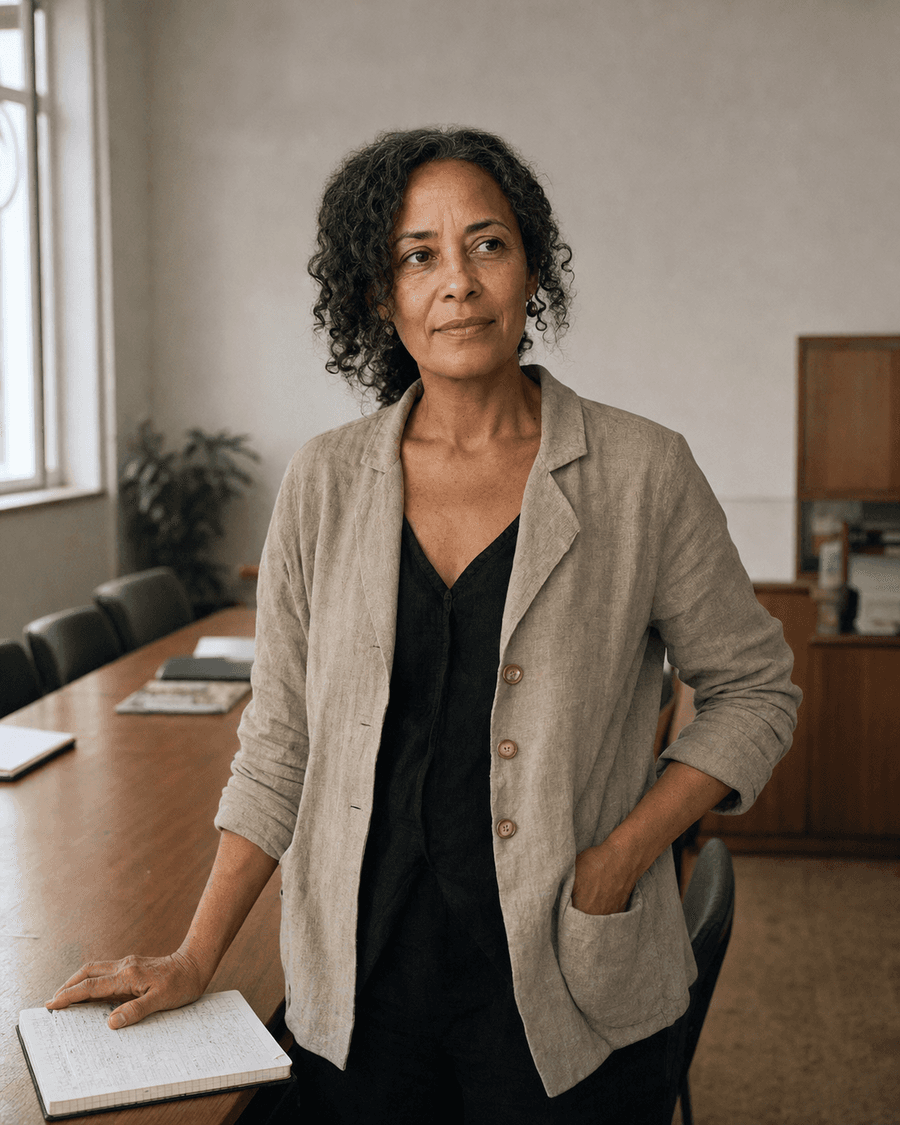
Amara Sesay
Executive DirectorLisbonCo-founder, 2009
Amara spent six years as a district education officer before co-founding Fieldstone, and still insists on sitting through community assemblies rather than reading the minutes. Chairs the partnership committee that approves every new region.
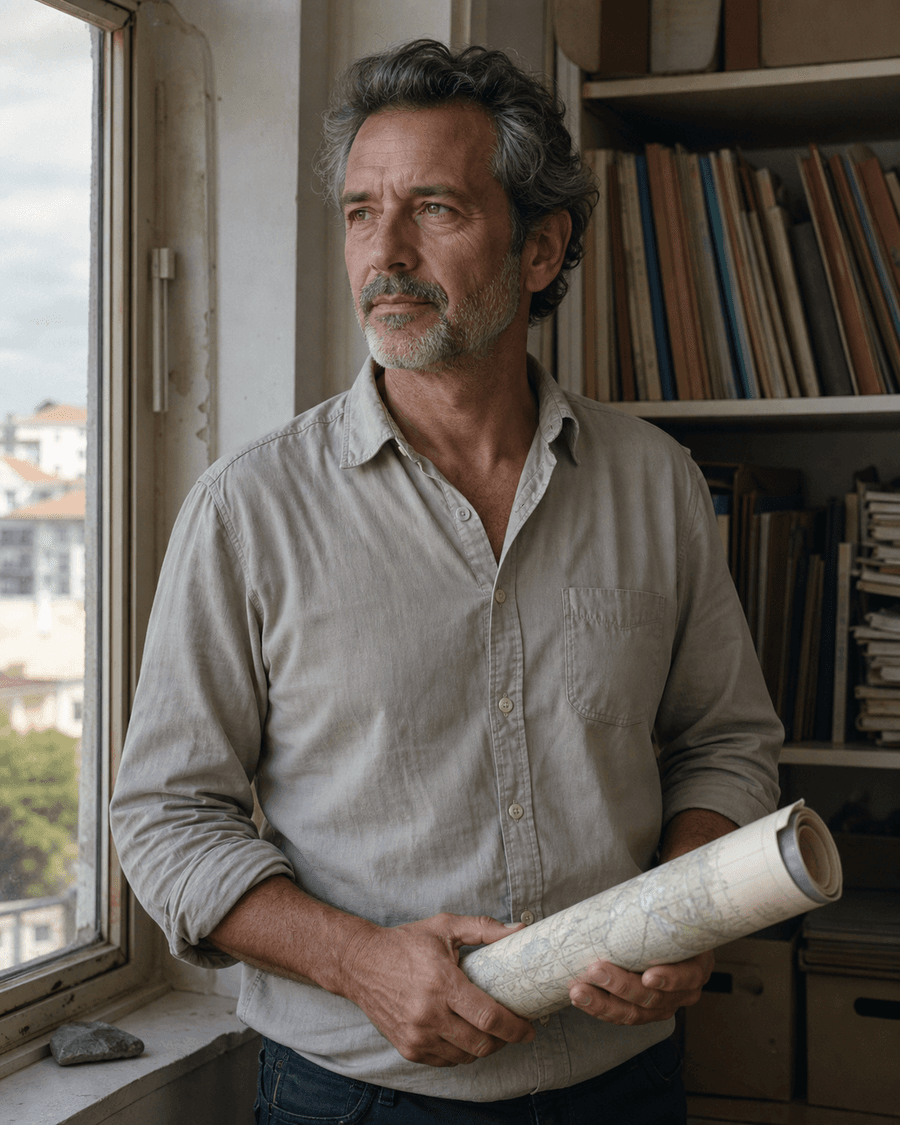
Tomás Renard
Director of ProgrammesLisbonCo-founder, 2009
Tomás designed the ten-year agreement that every Fieldstone partnership is written against, and reviews each one at its midpoint. Trained as a hydrologist, which explains a persistent bias toward problems that can be measured.
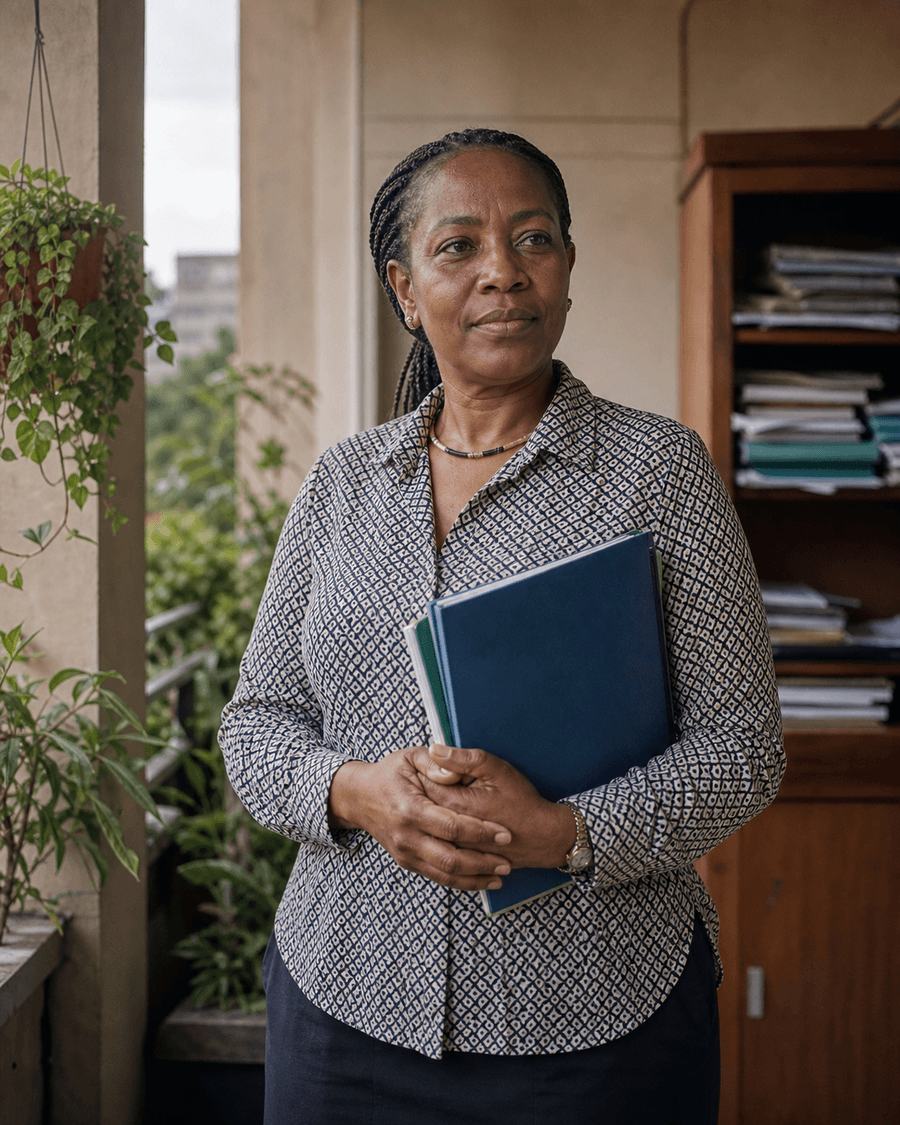
Wanjiru Mbatia
Regional Director, East and Southern AfricaNairobiJoined 2013
Wanjiru leads Fieldstone's largest regional portfolio, spanning the Nyakura Highlands and the Chansolo Basin. Previously ran a teacher training college in Kisumu, and brought its fellowship model along.
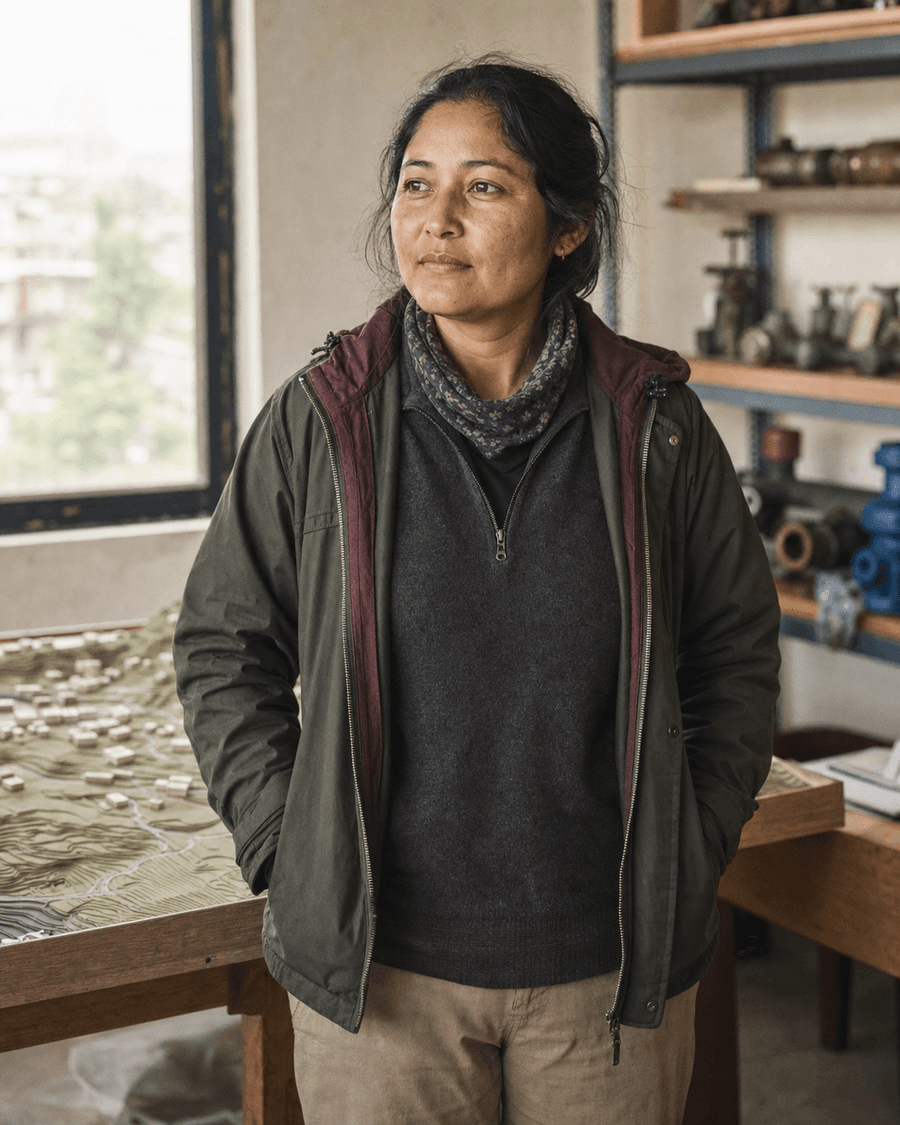
Priya Kandel
Regional Director, South and Southeast AsiaKathmanduJoined 2016
Priya oversees work in the Sanjala Valley and the Sumarai Delta, and wrote Fieldstone's maintenance-funding standard after watching three well-built systems fail for want of €200 a year.

Elena Duarte
Director of Finance and AccountabilityLisbonJoined 2018
Elena rebuilt Fieldstone's measurement methodology after the 2022 external review and publishes the annual accountability statement under her own name. Previously audited development finance for a Portuguese public bank.
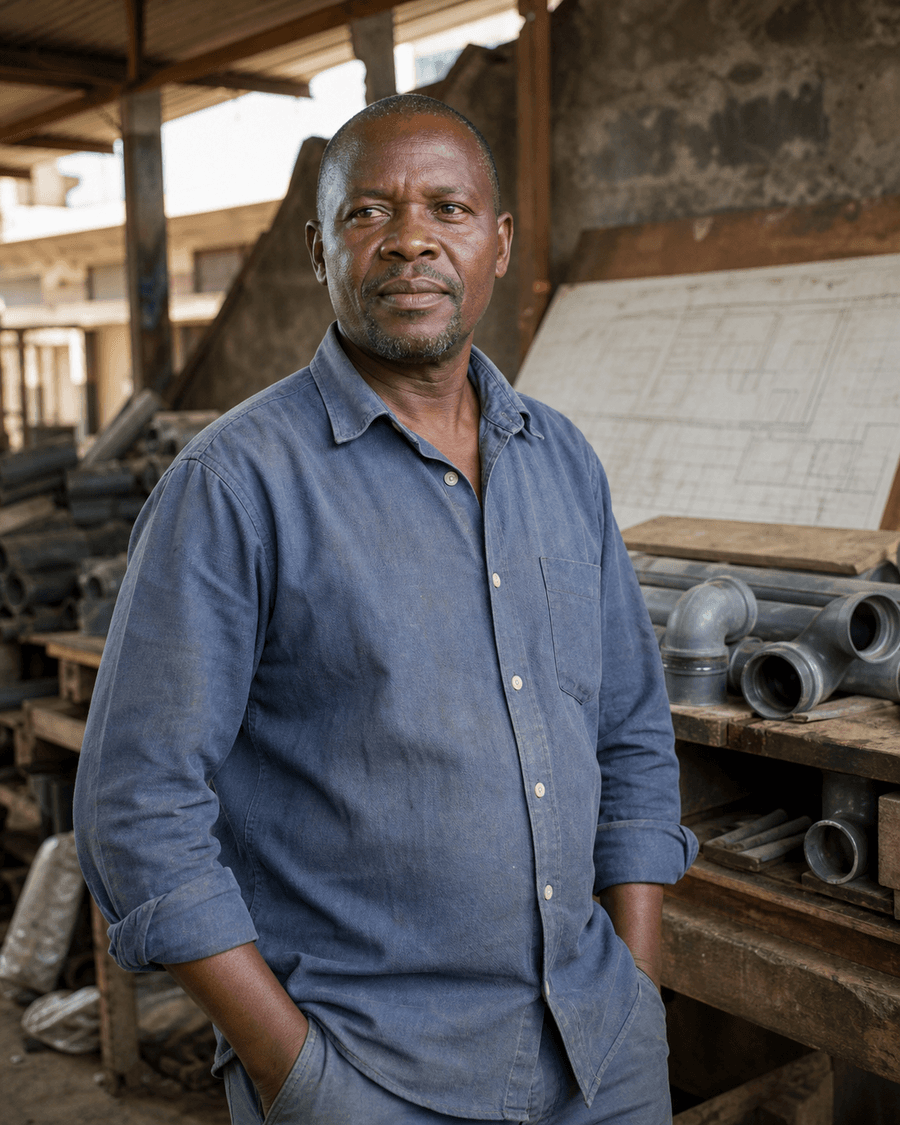
Isaac Mwangale
Head of Community InfrastructureNairobiJoined 2017
Isaac established infrastructure as a standalone programme and set the rule that Fieldstone will not build anything a local committee has not first agreed to maintain. A civil engineer by training, a sceptic by temperament.
Governance
The board
- Halvard NyströmChairFormer director of a Nordic rural development trust
- Fatoumata DialloVice ChairCooperative finance, Dakar
- Rosa VillarealTrustee, AuditPublic sector auditor, Guatemala City
- Sunita RaiTrustee, ProgrammesDistrict water governance, Nepal
- Joana FerreiraTrusteeEditorial and publishing, Lisbon
- Peter ObengTrustee, SafeguardingChild protection policy, Accra
Partner institutions
Who we actually work through
- Nyakura District Education AssemblyKenyasince 2012
- Chansolo Savings FederationZambiasince 2014
- Sanjala Valley Water CommitteeNepalsince 2015
- Comité Vega Alta de EducaciónGuatemalasince 2016
- Sumarai Delta Growers' UnionIndonesiasince 2018
- Tazgart Plain Village CouncilMoroccosince 2013
None of these institutions was created by Fieldstone. Each existed before we arrived and will continue after we leave.
An accountability report that contains only good news is not an accountability report. It is a marketing document with footnotes.
Where we are
Four offices
Lisbon
Registered office
Rua do Vale Formoso 1181950-104 Lisbon
Portugal
Nairobi
East and Southern Africa
Karuna Close 7, Lavington00100 Nairobi
Kenya
Kathmandu
South and Southeast Asia
Jhamsikhel Marg 4244700 Lalitpur
Nepal
Guatemala City
Latin America
6a Avenida 12-40, Zona 1001010 Guatemala City
Guatemala
Questions
The ones we are actually asked
How much of a gift reaches programme work?
84.2 cents in every euro was spent directly on programmes in 2025. A further 7.9 cents funded measurement and accountability, 4.6 cents fundraising, and 3.3 cents administration. The full breakdown is published in the annual review.
Why do you commit to ten years?
Because the outcomes we care about — a school that still has teachers in it, a water system still working after the engineers leave — cannot be observed inside a three-year grant. A ten-year agreement also changes the negotiation: a community that knows we are staying asks for different things.
Do you run emergency or disaster response?
No. Emergency response is a distinct discipline with its own logistics, standards, and staffing, and we do not have them. Where a partner region is affected, we support the organisations that do this work rather than improvising it ourselves.
Who owns the schools and water systems you help build?
The community, from the outset. Fieldstone holds no land, buildings, or assets in the regions where it works. Committees are constituted locally before construction begins, not at handover.
How do you decide where to work next?
We do not select regions; we respond to approaches from existing community institutions. A partnership committee assesses whether the priorities named locally are ones we can serve, and we decline more approaches than we accept.
Can I visit a programme?
Not as a supporter visit. Programme sites are schools, homes, and workplaces, and hosting visitors costs staff time that the community has not asked to spend. We publish Field Notes and annual reviews so that the work can be examined without being interrupted.
About this website
Fieldstone Collective is a fictional organisation. This site is a reference implementation of the HubZero nonprofit architecture in the editorial design language. Every organisation, person, place name, figure, quotation, and photograph on this site was created for that demonstration. Fieldstone Collective does not exist, and nothing here should be read as information about any real organisation.
A HubZero Blueprint demonstration